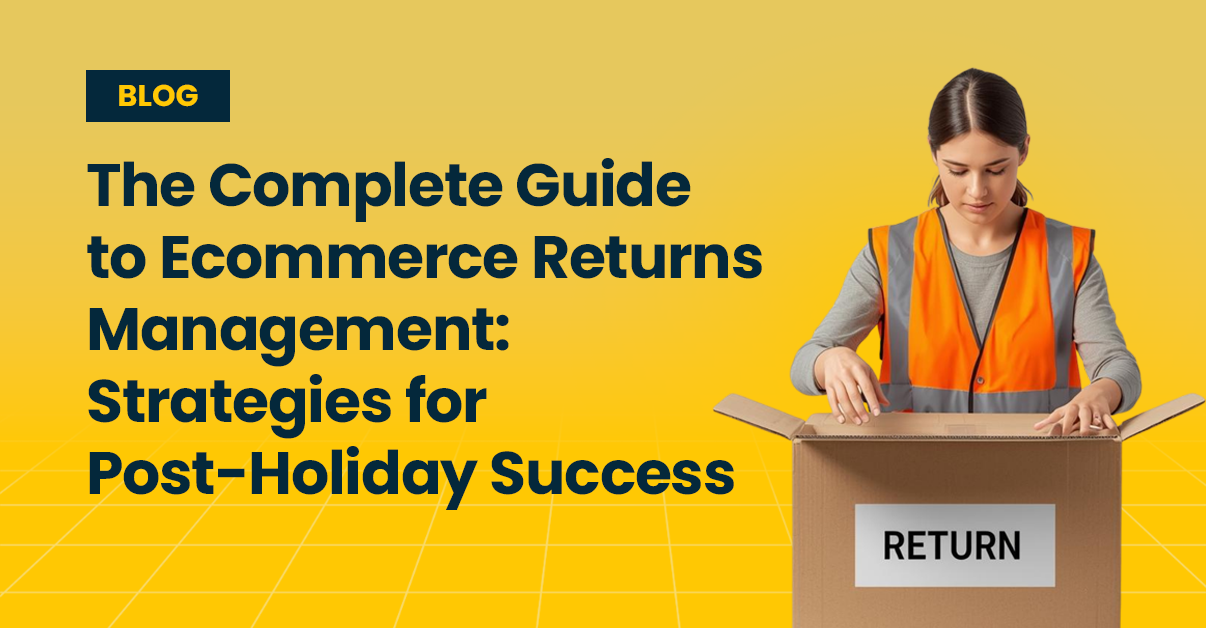
Why Returns Management Shapes Ecommerce Success After the Holidays
For ecommerce businesses in Canada, the holiday season does not end with December sales. January brings a sharp rise in returns, driven by gift exchanges, incorrect sizes, duplicate purchases, and changing customer expectations. This post-holiday period can quickly become one of the most operationally demanding times of the year.
Returns are no longer a back-office function. They directly impact profitability, warehouse efficiency, cash flow, and customer loyalty. When returns are poorly managed, costs increase through additional shipping, labor, and inventory write-downs. Warehouses become congested, refunds are delayed, and customer service teams face a surge in enquiries. These challenges can quickly undo the gains made during the holiday sales period.
Canadian ecommerce businesses face added complexity. Longer shipping distances, regional delivery differences, cross-border returns, and carrier surcharges increase both cost and processing time. At the same time, customers expect fast refunds, simple return processes, and clear communication. Failing to meet these expectations can result in negative reviews and lost repeat business.
A strong returns management strategy helps businesses regain control during this critical period. When handled efficiently, returns can protect margins, improve inventory accuracy, and even strengthen customer trust. This guide explores how Canadian ecommerce businesses can manage post-holiday returns more effectively and turn a challenging season into an opportunity for operational improvement.
Understanding the Post-Holiday Returns Landscape in Canada
The post-holiday period consistently brings the highest volume of returns for ecommerce businesses across Canada. While returns occur year-round, January and early February create a concentrated surge that tests operational capacity and customer service readiness.
Holiday shopping behavior is a major driver of this increase. Many purchases are made as gifts, often without full knowledge of the recipient’s size, preferences, or needs. Duplicate gifts, impulse purchases driven by promotions, and last-minute buying decisions further contribute to higher return rates once the holidays are over. Extended return windows, commonly offered during December, also push a large number of returns into the new year.
In Canada, returns management comes with unique logistical challenges. Longer transit distances between provinces can increase return shipping times and costs. For businesses serving both urban and remote regions, reverse logistics can quickly become expensive and difficult to scale. Cross-border returns from US customers add further complexity, including customs processes, duties, and additional carrier fees.
Customer expectations are also evolving. Canadian shoppers increasingly expect easy-to-initiate returns, minimal paperwork, and fast refunds. When these expectations are not met, dissatisfaction rises and customer loyalty declines. Understanding these patterns is critical for building a returns strategy that balances cost control with customer experience during the most demanding time of the year.
The Hidden Costs of Poor Returns Management
Returns may seem like a routine part of ecommerce operations, but when they are not managed effectively, their true cost can be significant. Beyond the obvious expense of return shipping, poor returns management creates financial and operational strain that directly impacts profitability.
Each return involves multiple cost layers, including carrier fees, peak season surcharges, labor for receiving and inspection, repackaging, and restocking. In Canada, where shipping distances are longer and logistics costs are higher, these expenses can escalate quickly. Returned items may also lose value due to damaged packaging, delayed processing, or seasonal relevance, forcing businesses to discount or liquidate inventory.
Operational inefficiencies add another layer of cost. High return volumes can overwhelm warehouses, slow outbound order fulfillment, and create inventory backlogs. When returned products are not processed quickly, inventory records become inaccurate, increasing the risk of overselling or stockouts. These issues disrupt both customer experience and internal planning.
Customer-facing costs are equally important. Delayed refunds, unclear return statuses, and inconsistent communication lead to higher support volumes and customer frustration. Over time, this erodes trust and reduces repeat purchases, increasing the cost of acquiring new customers.
Understanding these hidden costs highlights why returns management must be treated as a strategic function. Addressing inefficiencies early helps ecommerce businesses protect margins, maintain operational stability, and deliver a more reliable post-purchase experience.
Building a Returns Strategy That Balances Cost and Customer Experience
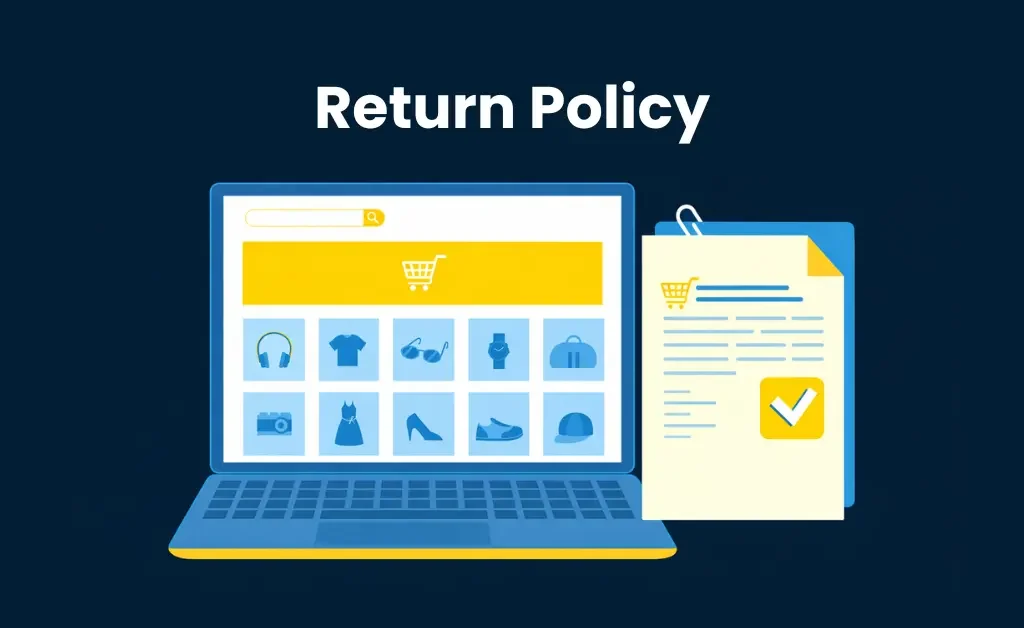
An effective ecommerce returns strategy starts with balance. While customers expect flexibility and convenience, businesses must also control costs and protect margins, especially during the post-holiday period when return volumes peak.
A clear and well-structured returns policy is the foundation. Canadian shoppers value transparency, so policies should clearly outline eligibility criteria, return windows, item condition requirements, and refund timelines. Simple language and easy access on product and checkout pages reduce confusion and prevent unnecessary customer service enquiries. Clear expectations also discourage misuse while maintaining trust.
Defining return rules thoughtfully is equally important. Not every product needs the same return terms. Seasonal items, clearance products, and high-value goods may require different conditions to minimise losses. Setting reasonable limits without appearing restrictive helps manage risk while preserving the customer experience.
Operational planning must support the policy. Return processes should be designed to handle surges without disrupting outbound fulfillment. This includes allocating space for returned inventory, planning labor capacity, and establishing clear workflows for inspection and restocking. Without this preparation, returns can quickly overwhelm warehouse operations.
Finally, communication plays a critical role. Proactive updates on return status and refund timelines reduce customer anxiety and support volume. When customers feel informed, even a return can become a positive brand interaction. A balanced returns strategy turns a potential cost centre into a controlled and predictable process.
Optimizing Reverse Logistics for Post-Holiday Return Volumes
Reverse logistics is fundamentally different from outbound fulfillment, and treating it the same way often leads to inefficiencies. During the post-holiday period, when return volumes spike, having a dedicated reverse logistics approach becomes essential for Canadian ecommerce businesses.
Unlike outbound shipping, reverse logistics involves unpredictable volumes, varying product conditions, and time-sensitive decisions around resale or disposal. Without clear processes, returned items can pile up, tying up warehouse space and delaying inventory recovery. In Canada, long transit times between provinces further slow down the process if returns are not routed efficiently.
One key decision is whether to centralize or distribute returns processing. Centralized facilities can reduce overhead and simplify quality control, but may increase transit times and shipping costs for returns coming from distant regions. Distributed return hubs, on the other hand, can speed up processing and reduce carrier costs, particularly for businesses with customers across multiple provinces.
Cross-border returns also require careful planning. Returns from US customers may involve customs clearance, duties, and additional paperwork. Streamlining these processes helps prevent delays and unnecessary costs that can quickly outweigh the value of the returned item.
Effective reverse logistics focuses on speed, visibility, and cost control. Clear routing, efficient carrier selection, and fast processing allow businesses to recover inventory value sooner, issue refunds faster, and maintain operational stability during the most demanding returns season of the year.
Managing Warehouse and Inventory Operations During Returns Season
The post-holiday returns surge can place significant pressure on warehouse operations if not planned carefully. High volumes of inbound returns often arrive at the same time as regular outbound orders, creating competition for space, labor, and system resources.
Preparation is critical. Warehouses need designated areas for receiving and processing returns to prevent congestion and maintain outbound fulfillment speed. Allocating temporary space and adjusting layouts ahead of January can reduce bottlenecks and improve workflow efficiency. Labor planning is equally important, as returns processing requires inspection, grading, and decision-making that differ from standard picking and packing tasks.
Once received, returned items must be assessed quickly. Sorting products based on condition allows teams to decide whether items can be restocked, refurbished, discounted, or removed from inventory. Delays at this stage reduce resale value and increase holding costs. Clear grading standards help teams make consistent decisions while maintaining product quality.
Accurate inventory updates are essential. Returned items should be reflected in inventory systems as soon as they are processed to avoid overselling or stock discrepancies. Real-time visibility ensures that sellable inventory can be made available quickly, improving cash flow and reducing unnecessary reordering.
Strong warehouse and inventory management during returns season protects operational efficiency and inventory value. With the right processes in place, businesses can handle higher return volumes without disrupting fulfillment or customer experience.
Using Technology to Streamline Ecommerce Returns
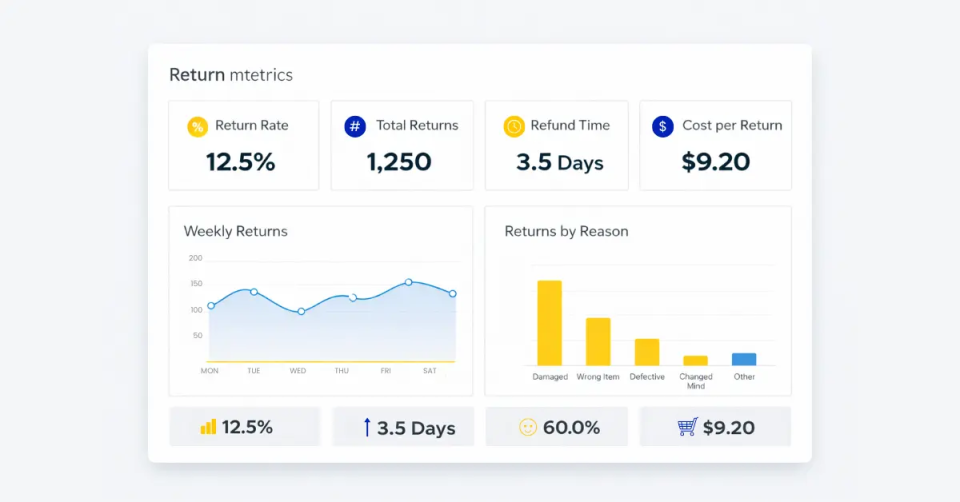
Technology plays a critical role in managing post-holiday returns efficiently, especially when volumes increase and manual processes become difficult to scale. The right tools can reduce processing time, improve visibility, and lower operational costs for Canadian ecommerce businesses.
Returns management software helps automate key steps such as return authorisations, label generation, and tracking. Automated workflows reduce manual errors and ensure consistency, which is particularly important during peak periods. Customers benefit from a smoother experience, while internal teams gain better control over return volumes and statuses.
Data and analytics are equally valuable. Returns data can reveal patterns such as high-return products, common reasons for returns, and regional trends. These insights help businesses address root causes, whether that means improving product descriptions, adjusting sizing information, or refining packaging. Over time, data-driven decisions can significantly reduce preventable returns.
Integration is another key factor. Returns systems should connect seamlessly with ecommerce platforms, order management systems, and inventory tools. This ensures real-time updates, accurate stock levels, and better coordination between customer service, warehouse teams, and finance.
Technology does not eliminate the need for human oversight, but it enables teams to focus on decision-making rather than manual processing. When used effectively, returns technology improves speed, accuracy, and transparency, helping businesses handle post-holiday returns with greater efficiency and confidence.
Reducing Returns Before They Happen
While efficient returns management is essential, reducing the number of returns in the first place has an even greater impact on profitability and operational efficiency. Many post-holiday returns are preventable with the right pre-purchase and post-purchase strategies.
Accurate and detailed product information is one of the most effective ways to reduce returns. High-quality images, clear descriptions, and detailed specifications help customers make informed decisions. For categories such as apparel and footwear, size guides and fit information are especially important. When customers know what to expect, the likelihood of dissatisfaction decreases.
Shipping and packaging also play a role. Products that arrive damaged or poorly presented are more likely to be returned. Using appropriate packaging materials and ensuring consistent handling during transit helps protect products and reduce avoidable returns. At the same time, packaging should be designed to support easy returns when needed, without adding unnecessary cost.
Communication is another key factor. Order confirmations, shipping updates, and post-delivery follow-ups help set expectations and provide customers with guidance on how to use or assemble products correctly. In some cases, proactive customer support can resolve issues without requiring a return at all.
Reducing returns is not about restricting customers. It is about improving the overall shopping experience. When businesses focus on accuracy, quality, and communication, return rates naturally decline, easing the pressure on post-holiday operations.
Managing Customer Experience During Peak Returns Periods
The post-holiday returns season is a critical test of customer experience. Even when a product does not meet expectations, the way a return is handled can determine whether a customer chooses to shop with a brand again.
Speed is one of the most important factors. Customers expect quick acknowledgement of their return request and timely refunds once items are received. Delays, even when unavoidable, should be clearly communicated. Setting realistic timelines and keeping customers informed reduces frustration and builds trust.
Customer support teams often face a significant increase in enquiries during January. Providing self-service options, such as return portals and tracking updates, helps reduce support volume while giving customers greater control and visibility. Clear answers to common questions on websites and order confirmation emails also prevent unnecessary follow-ups.
Consistency across channels is essential. Information shared by customer support, automated emails, and tracking pages should align to avoid confusion. When customers receive conflicting messages, confidence in the brand declines.
A well-managed returns experience can actually strengthen customer loyalty. Transparent processes, clear communication, and reliable timelines show customers that the business values their time and trust. During peak return periods, investing in customer experience helps protect long-term relationships while keeping operational pressure under control.
Sustainability and Responsible Returns Management
Ecommerce returns have a growing environmental impact, and many Canadian consumers are becoming more conscious of sustainability when choosing where to shop. Post-holiday returns, in particular, contribute to increased transportation emissions, packaging waste, and product disposal.
Every returned item requires additional shipping, often travelling long distances across provinces or borders. Packaging materials are frequently discarded, and products that cannot be resold may end up in landfills. Without a structured approach, returns can significantly increase a brand’s environmental footprint.
Responsible returns management focuses on reducing waste while maintaining efficiency. Consolidating return shipments, optimising routing, and processing returns closer to the customer can help lower transportation emissions. Clear inspection and grading processes also ensure that more items are resold, refurbished, or redirected to secondary markets instead of being discarded.
Some ecommerce businesses are exploring donation, recycling, or resale partnerships for unsellable items. These options reduce waste and align with the values of environmentally conscious customers. Transparent communication around sustainability efforts can also strengthen brand perception and trust.
Sustainable returns strategies often support cost efficiency as well. Faster processing, better inventory recovery, and reduced disposal costs benefit both the environment and the bottom line.
When Outsourcing Returns Management Makes Sense
As ecommerce businesses grow, managing post-holiday returns in-house can become increasingly complex and costly. High return volumes, limited warehouse space, staffing constraints, and rising carrier costs often push internal teams beyond their capacity. In these situations, outsourcing returns management can be a practical and strategic decision.
One clear sign outsourcing may be needed is when returns begin to disrupt core fulfillment operations. If outbound orders are delayed, inventory accuracy suffers, or customer service teams are overwhelmed, returns are no longer being handled efficiently. Seasonal spikes, such as the January surge, can also make it difficult to justify permanent infrastructure or staffing investments.
A specialised returns and reverse logistics partner brings dedicated processes, trained teams, and scalable infrastructure. For Canadian ecommerce businesses, this is especially valuable due to nationwide shipping distances and regional delivery complexities. An experienced partner can process returns faster, reduce transportation costs, and recover inventory value more efficiently.
Outsourcing also improves visibility and control. Many logistics partners offer integrated reporting and real-time tracking, allowing businesses to monitor return volumes, processing times, and recovery rates without managing day-to-day operations internally.
Most importantly, outsourcing allows internal teams to focus on growth rather than damage control. Handing off returns management to experts, allows ecommerce businesses to maintain a strong customer experience during peak periods while keeping operations efficient and predictable.
Frequently Asked Questions
1. How long should an ecommerce returns window be after the holidays in Canada?
Most Canadian ecommerce businesses offer extended holiday return windows ranging from 15 to 30 days. The ideal timeframe balances customer convenience with inventory recovery speed and seasonal relevance.
2. What is the biggest cost driver in ecommerce returns management?
Return shipping and labor costs are the largest drivers, followed by inventory value loss due to delayed processing. Long transit distances and carrier surcharges in Canada can significantly increase total return costs.
3. How can ecommerce businesses reduce return rates without hurting conversions?
Improving product descriptions, images, and sizing information reduces returns while maintaining trust. Clear communication and accurate expectations help customers make better purchase decisions upfront.
4. Are cross-border returns from the US worth processing for Canadian retailers?
It depends on product value and processing efficiency. Without streamlined customs handling and return workflows, cross-border returns can quickly become cost-prohibitive.
5. When should an ecommerce business consider outsourcing returns management?
Outsourcing makes sense when return volumes disrupt fulfillment operations, warehouse space becomes limited, or customer service teams are overwhelmed during peak periods like post-holiday season.
Conclusion: Turn Post-Holiday Returns into a Competitive Advantage with Ecom Logistics

Post-holiday returns do not have to be a drain on profitability or operations. When managed strategically, they can become a controlled, predictable process that supports customer satisfaction and long-term growth. For ecommerce businesses in Canada, success lies in combining clear policies, efficient reverse logistics, strong warehouse processes, and the right level of operational support.
However, managing these elements internally during peak return periods is not always practical. Rising return volumes, nationwide shipping complexities, and increased customer expectations can quickly overwhelm in-house teams. This is where a specialised logistics partner can make a meaningful difference.
Ecom Logistics supports Canadian ecommerce businesses with end-to-end returns and reverse logistics solutions designed for scalability and efficiency. With Canada-wide coverage, dedicated warehouse processing, and technology-enabled visibility, Ecom Logistics helps brands handle post-holiday returns faster and more cost-effectively. At Ecom, returned items are received, inspected, graded, and reintegrated into inventory with speed and accuracy, allowing businesses to recover value while maintaining fulfillment performance.
Beyond operational execution, Ecom Logistics provides the flexibility needed during seasonal spikes, without requiring long-term infrastructure or staffing commitments. This allows ecommerce teams to stay focused on growth, customer experience, and planning for the next peak season.
With the right strategy and the right partner, returns management can shift from a post-holiday challenge to a competitive advantage that strengthens both margins and customer loyalty. Contact us to see how.
- About the Author
- Latest Posts