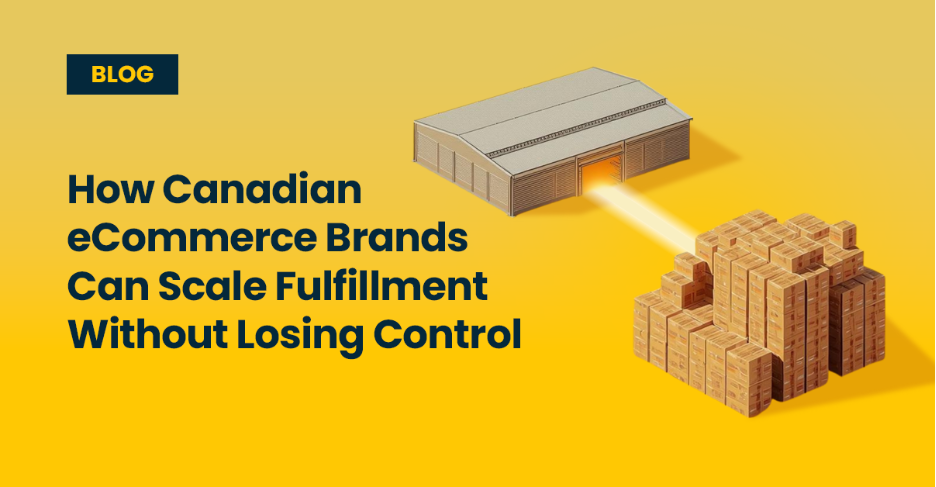
There is a moment every growing eCommerce brand reaches where fulfillment stops feeling predictable. Orders are still shipping, customers are mostly happy, but internally, things feel fragile. Inventory numbers need constant double checking. Delivery timelines feel tighter than they should. Decisions that once felt simple now come with hesitation.
For brands scaling ecommerce fulfillment in Canada, this moment arrives faster than expected, especially as order complexity, customer expectations, and operational pressure begin increasing at the same time.
Canada is a market where fulfillment success is rarely about doing more. It is about doing things with structure, visibility, and intent. Brands that scale well do not eliminate complexity. They learn how to manage it without losing control.
The Real Meaning of “Losing Control” in eCommerce Fulfillment
Losing control in fulfillment rarely looks dramatic at first. It shows up quietly. Inventory reports stop matching reality. Teams hesitate before launching promotions because stock confidence is low. Customer support tickets increase, not because volumes spike, but because delivery experiences feel inconsistent.
Control is not about micromanaging every shipment. It is about knowing what is happening across inventory, orders, delivery, and returns without relying on workarounds or manual checks. When fulfillment scales faster than systems and processes, brands lose predictability. That loss eventually affects revenue, margins, and customer trust.
For established eCommerce brands, control means visibility, reliability, and the ability to make decisions quickly without fear of unintended consequences.
Why Scaling Ecommerce Fulfillment in Canada Is Uniquely Challenging
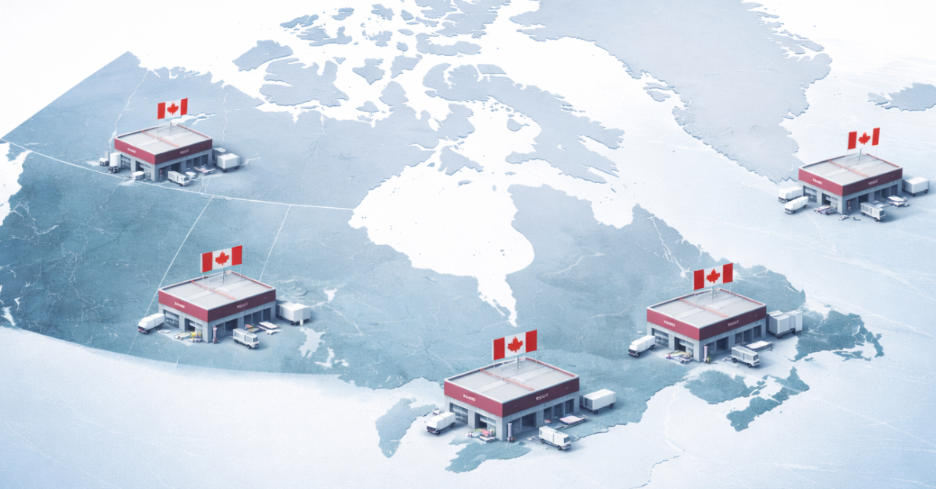
Canada introduces fulfillment challenges that many brands underestimate, particularly those expanding from smaller or more densely populated markets. While the country may appear operationally similar to the US on paper, the realities of scale, distance, and regional variation quickly expose gaps in standard fulfillment models.
Geography Forces Hard Trade offs
The sheer size of Canada fundamentally reshapes fulfillment strategy. Customers are spread across vast distances, yet delivery expectations remain high and increasingly unforgiving. A centralised warehouse can simplify inventory control and labour planning, but it often creates longer transit times to Western Canada, Atlantic provinces, and northern regions.
Those longer distances drive higher shipping rates, increased reliance on air services, and rising last mile delivery costs, all of which contribute to higher ecommerce shipping and fulfillment costs as brands scale nationally. As order volumes grow, these costs compound quickly, turning fulfillment from a controllable expense into a margin pressure point.
Delivery Expectations Do Not Scale Linearly
One of the most common miscalculations brands make is assuming that delivery performance scales predictably with volume. In practice, it rarely does. What works at a few hundred orders a month can begin to break at a few thousand.
Transit times stretch, carrier performance becomes inconsistent, and customer service teams absorb the fallout through increased delivery related queries. At this stage, fulfillment is no longer an operational detail. It becomes a visible part of the customer experience, and a direct reflection of brand reliability.
Provincial Variation Adds Operational Complexity
Canada is not a single homogeneous delivery market. Provincial differences significantly affect fulfillment performance. Delivery speeds that feel acceptable in the Greater Toronto Area may feel slow or unreliable in British Columbia, Alberta, or Atlantic Canada.
Carrier coverage, service level reliability, cut off times, and surcharge structures vary by region. Weather adds further unpredictability, particularly during winter months, impacting both long haul transport and last mile delivery. Without regional insight, brands often overpromise nationally and underdeliver locally.
Scaling Without a Canada Specific Strategy Increases Risk
For international brands entering Canada, these challenges often emerge only after launch, once customer expectations meet logistical reality. For domestic brands, they tend to surface gradually as volumes increase and operational strain becomes harder to ignore.
In both cases, scaling without a Canada specific strategy leads to higher ecommerce fulfillment costs, declining delivery performance, and growing operational risk. The longer these issues persist, the more difficult and expensive they become to correct.
The Breaking Point: When Internal Fulfillment Models Stop Working
In house fulfillment often feels like the safest option because it offers familiarity and perceived control. Teams know the process. Inventory is close at hand. When issues arise, they feel visible and fixable, at least in the early stages of growth. For many brands, this model works well through initial scale and provides a strong foundation for operational learning.
Why Internal Control Starts to Slip
As order volumes grow, that sense of control begins to erode in less obvious ways. Warehouse space tightens faster than expected, forcing compromises in storage layout and pick efficiency. Labour planning becomes reactive rather than planned, particularly during promotional spikes, making scalability during peak periods much harder to maintain efficiently. Teams spend more time firefighting than optimising.
Technology also starts to show strain. Systems that handled basic order flows struggle with rising SKU counts, complex bundles, subscription orders, or multi channel demand. What once felt manageable becomes fragile, with manual workarounds creeping into daily operations.
The Hidden Cost of Staying In House Too Long
Leadership attention is often the first silent casualty. Time that should be spent on growth initiatives, market expansion, or customer experience shifts toward operational troubleshooting. Decisions about fulfillment staffing, carrier issues, and warehouse constraints start appearing in executive meetings more often than they should.
Adding more people, leasing short term space, or extending shifts can relieve pressure temporarily, but these fixes rarely address the underlying structural limits of the model. Internal fulfillment operations that were never designed for scale begin consuming resources faster than they create value, turning fulfillment into a growth bottleneck rather than an enabler.
Recognising the Breaking Point Early
Brands that recognise this breaking point early are better positioned to make strategic decisions. They can step back, evaluate long term demand, and redesign fulfillment deliberately. Those that wait often find themselves reacting under pressure, with fewer options and higher switching costs.
Fulfillment Scaling Paths Brands Typically Consider
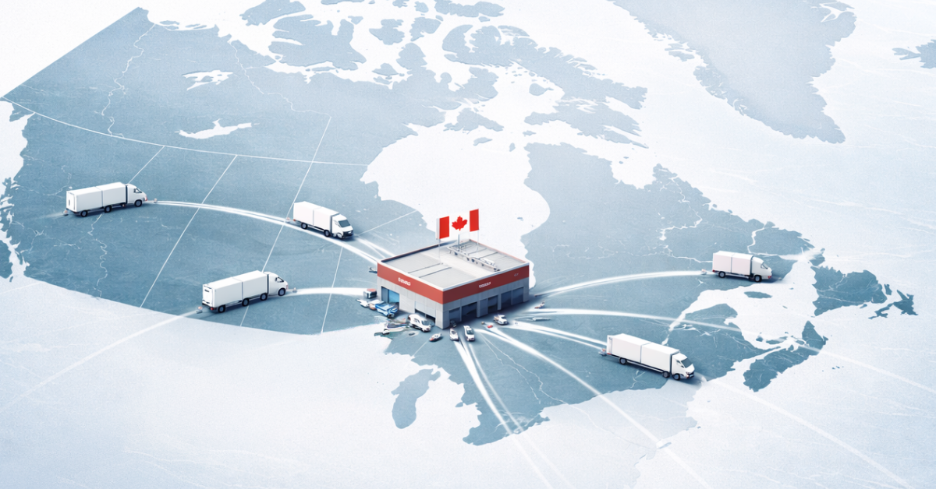
Most scaling brands explore a similar set of fulfillment paths as they reassess how to support growth. Each option offers different benefits, and each introduces its own constraints.
Doubling Down on Internal Warehousing
Some brands choose to invest further in house by expanding warehouse space, upgrading technology, or building dedicated operations teams. This path can preserve control and brand alignment, but it requires significant capital investment and long lead times. It also concentrates operational risk in a single model.
Outsourcing to Third Party Logistics Providers
Others turn to 3PL to offload complexity. Outsourcing can leverage immediate capacity, broader carrier access, and operational expertise. However, not all providers are equally equipped to support mid market and enterprise scale brands, particularly those with complex order profiles or tight service level expectations.
Hybrid and Distributed Fulfillment Models
Many brands adopt hybrid approaches, combining internal operations with outsourced fulfillment in select regions or channels. Distributed fulfillment also enters the conversation at this stage. Placing inventory closer to customers can reduce delivery times and last mile costs, but only when demand forecasting, inventory visibility, and replenishment planning are strong.
There is no universal right answer. Each path carries trade offs across cost, flexibility, and control, especially when different fulfillment pricing models affect long-term operational flexibility and margin predictability. The most common mistake brands make is choosing the option that offers short term relief, rather than the one that supports long term scalability and operational resilience. If you’re stuck between, “Should we continue managing fulfillment in-house, or is it time to move to a tech-enabled third-party logistics provider?” this guide will help you make that decision with clarity and confidence.
How to Scale eCommerce Fulfillment Without Losing Visibility
Visibility is the foundation of control. At scale, fulfillment operations span multiple locations, systems, and partners. Without real-time insight into inventory levels, order status, and delivery performance, teams are forced to operate reactively.
Effective visibility allows brands to answer practical questions confidently. Where is inventory right now? Which orders are at risk? What delivery promises can we make without exception handling?
This level of clarity does not come from reporting alone. It comes from integrated systems, disciplined processes, and partners that prioritise transparency.
The Role of Technology in Scalable Fulfillment
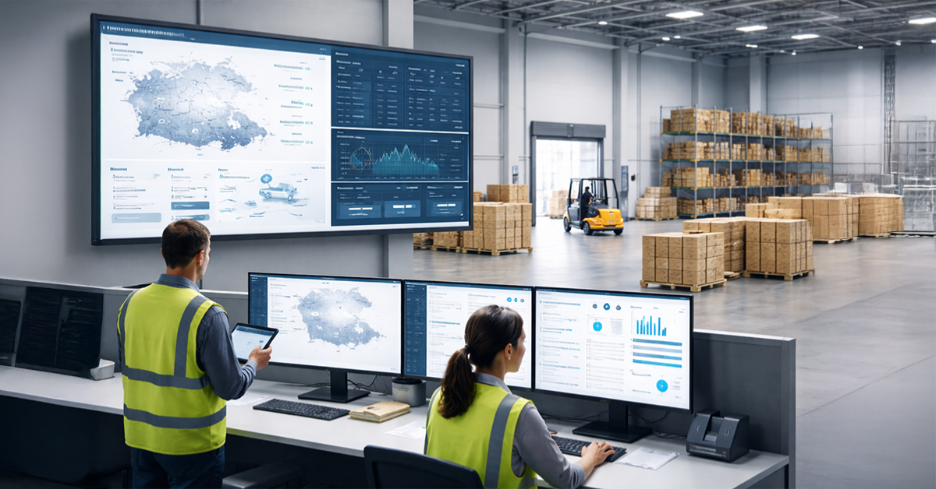
Technology enables scale, but it does not create it on its own. Warehouse management systems, order management platforms, and carrier integrations play a critical role in modern eCommerce fulfillment. When implemented well, they reduce manual work and improve accuracy. But when layered without strategy, they create fragmentation.
Many brands overinvest in tools while underinvesting in process design. Others rely on outdated systems that cannot support distributed fulfillment or real-time updates.
The goal is not more technology. It is the right technology, aligned with how fulfillment actually operates at scale.
Delivery Speed, Customer Experience, and Control
Delivery promises shape customer expectations long before an order ships. Same day shipping and next day delivery have become competitive expectations in major Canadian markets. Offering them without operational readiness introduces risk. Missed delivery timelines damage trust far more than conservative promises delivered consistently.
Controlled fulfillment operations align delivery speed with capability. Inventory is positioned intentionally. Cut-off times are realistic. Exceptions are managed before customers notice them. Because speed matters, but reliability matters more.
Returns at Scale: The Silent Control Killer
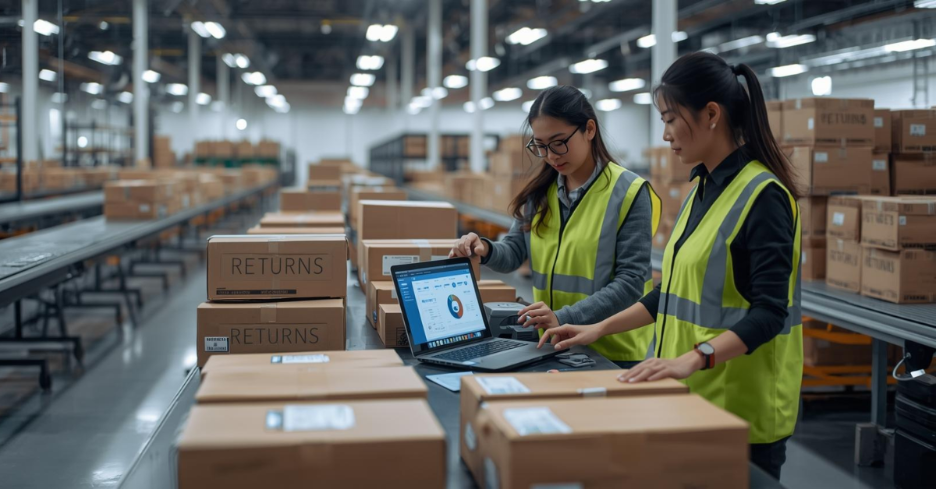
Returns rarely receive strategic attention until they become a problem. At scale, returns affect inventory accuracy, cash flow, and planning. Delays in inspection and restocking create blind spots that ripple across fulfillment operations.
Effective reverse logistics bring returned inventory back into circulation quickly and predictably. Clear processes protect margins and restore confidence in inventory data.
Brands that treat returns as part of the fulfillment system, rather than an exception, maintain far greater operational control.
Common Mistakes Brands Make When Scaling Fulfillment
Scaling fulfillment introduces pressure at multiple levels of the organisation. The mistakes brands make at this stage are rarely dramatic in isolation, but they compound quietly over time, making course correction more difficult the longer they persist.
Scaling Volume Faster Than Operational Structure
Scaling too quickly without structure is one of the most common mistakes. Order volume increases before processes, systems, and teams are ready to support them. What begins as manageable inefficiency quickly becomes operational instability.
Picking accuracy declines, inventory discrepancies increase, and exception handling grows more complex. Teams spend more time fixing errors than improving workflows. Once volume outpaces process maturity, every additional order amplifies friction rather than efficiency.
Fragmented Partners and Disconnected Systems
Another frequent mistake is relying on a fragmented network of partners and systems. Brands may work with multiple carriers, warehouses, and technology platforms without clear ownership or alignment across them.
This fragmentation reduces accountability and erodes visibility. When delivery issues occur, it becomes difficult to identify root causes or assign responsibility. Plus data lives in silos, making performance measurement and optimisation harder as scale increases.
Delaying Investment Until It Becomes Urgent
Many brands also wait too long to invest in fulfillment improvements. Change is often delayed until peak season exposes operational limits, forcing rushed decisions under pressure. These reactive choices tend to prioritise immediate capacity or speed over long term sustainability.
Short term fixes implemented during peak rarely get revisited once volumes stabilise, locking inefficiencies into the operation. Over time, these decisions create structural debt that becomes increasingly costly to unwind.
Underestimating How Fulfillment Issues Compound
Fulfillment problems rarely remain static. Small delays, minor inaccuracies, or temporary workarounds compound as volume grows. Customer experience suffers, internal teams burn out, and margins tighten incrementally.
Left unresolved, these issues turn fulfillment into a persistent drag on growth. Brands that address them early retain flexibility. Those that do not often find themselves constrained at the very moment growth opportunities appear.
What Controlled, Scalable Fulfillment Looks Like in Practice

Mature fulfillment operations feel calm even at high volumes. Inventory data is trusted. Orders flow predictably. Delivery timelines are consistent. Teams focus on optimisation rather than firefighting.
These operations are not perfect, but they are resilient. They absorb growth without constant reinvention. Control comes from systems that work together and partners that understand scale.
How the Right Fulfillment Partner Helps Brands Scale with Confidence
For many mid market and enterprise brands, partnering is not about outsourcing responsibility or giving up control. It is about gaining access to specialised capability at the point where internal systems start to strain under growth.
The right fulfillment partner brings infrastructure, technology, and operational expertise that would take years to build internally. This includes established carrier relationships, proven warehouse processes, and systems designed to handle increasing order complexity as volumes rise. That capability reduces risk during rapid growth phases, seasonal peaks, or market expansion, when internal operations are most exposed.
Visibility is just as critical. As volumes fluctuate, brands need clear, timely insight into inventory levels, order status, and delivery performance. A strong fulfillment partner provides transparency across these areas, allowing teams to plan, forecast, and respond before small issues escalate into operational disruptions. Flexibility also matters. Growth rarely follows a straight line, and partners that can adapt quickly help brands scale without compromising service quality.
Choosing a fulfillment partner is ultimately a strategic growth decision. Alignment on processes, expectations, and long term objectives matters far more than price alone. Brands that prioritise fit and operational strength are better positioned to scale with confidence, consistency, and control.
Conclusion: Scale Fulfillment Without Losing Control With Ecom Logistics

Scaling fulfillment in Canada is rarely about doing more of the same. It is about making smarter decisions before complexity overtakes control. As order volumes grow, the risks shift from capacity shortages to operational fragility, rising costs, and delivery experiences that no longer match the brand promise.
The brands that scale well are not the ones chasing the fastest expansion. They are the ones that treat fulfillment as a strategic function, not just a back end operation. They invest in structure before chaos appears, build processes that can absorb growth, and choose partners who understand the realities of operating at scale in Canada.
At Ecom Logistics, we work with mid market and enterprise eCommerce brands that need fulfillment to be reliable, visible, and adaptable as they grow. Our focus is not on volume for its own sake, but on building fulfillment operations that hold up under pressure. That means designing processes around your order complexity, aligning technology with how your business actually runs, and supporting growth without forcing you to surrender control or flexibility.
If you are scaling in Canada or planning your next phase of growth, now is the right time to rethink how fulfillment supports your business.
To explore how we can support your eCommerce operations and help you scale with confidence Contact Ecom Logistics.
- About the Author
- Latest Posts