
Speed has always mattered in ecommerce. What has changed is that Canadian shoppers have stopped treating it as a pleasant surprise. They expect it. In 2026, delivery is not a support function tucked behind your product and marketing anymore. It is a core part of the brand experience, and increasingly, a deciding factor before checkout ever happens.
Canada is home to over 31.5 million online shoppers, and the market is valued at approximately C$75-80 billion as per Statista. That scale of activity means customer delivery expectations in Canada are being shaped not just by local competitors, but by Amazon Prime, cross-border retailers, and global benchmarks. The bar has moved, and it keeps moving. This blog breaks down what Canadian customers genuinely expect from delivery in 2026, and what brands need to do to keep pace.
Speed Has Become the Baseline
Same-day and next-day are the new standard
A few years ago, same-day delivery was a premium option reserved for select customers in select cities. Today, the customer delivery expectations of Canada are such that 80% of online shoppers expect same-day delivery options, with 76.3% of them wanting the option to receive packages within 3 hours of ordering. That is no longer a differentiator. It is a threshold.
In Toronto, Ottawa, and Montreal, retailers that have adopted same-day delivery reported 10% revenue lifts and 80% customer-satisfaction gains, as delivery density improves and fulfillment gets smarter.
For brands still operating on 3-5 day standard shipping, the question is no longer whether to offer faster options. It is how quickly they can get there.
The real cost of slow delivery
The damage from slow delivery is not limited to a one-time lost sale. It is the repeat purchase that never happens, the review that puts off the next shopper, and the quiet churn that never shows up in a single campaign metric. If a customer orders from you and waits a week with no updates, they do not come back.
Speed is not just about convenience. It is about trust. Understanding delivery expectations in Canada means recognising that speed and reliability are two sides of the same coin, and that falling short on either has a compounding effect on customer lifetime value.
Reliability and Transparency Win Loyalty
Reliable tracking is expected, not a feature
Ask any Canadian shopper what frustrates them most about online shopping, and somewhere near the top of that list will be not knowing where their package is. It has shifted from a competitive advantage to a basic expectation. Customers want to know when their order is out for delivery, roughly when it will arrive, and, increasingly, who the driver is.
The delivery experience in 2026 is one that keeps the customer informed at every stage, without them having to chase information. Brands that deliver visibility alongside the physical package earn significantly more repeat business than those that treat tracking as an afterthought.
Proactive communication matters more than perfection
Delays happen. Weather, volume spikes, and carrier disruptions are real. Canadian customers understand this. What they do not forgive is silence. Proactive communication when a delivery is late or rerouted is now an operational requirement, not a generous gesture.
A brand that reaches out before the customer has to ask, and offers a clear resolution, often comes out of a failed delivery with a stronger relationship than it started with. The brands consistently losing customers are the ones that leave shoppers to discover the problem themselves, then offer a hollow apology days later. On-time delivery matters enormously, but how a brand handles the exceptions matters almost as much.
The impact of on-time delivery on repeat purchases
Consistent, reliable delivery builds something that marketing spend alone cannot: the quiet confidence a customer feels when they order from you again without thinking twice. That confidence is earned order by order. It compounds over time and translates directly into higher retention, better reviews, and stronger word-of-mouth. For ecommerce brands competing in a crowded market, this is one of the most durable competitive advantages available, and it lives entirely in the operational layer.
Sustainability Is Now a Purchase Factor
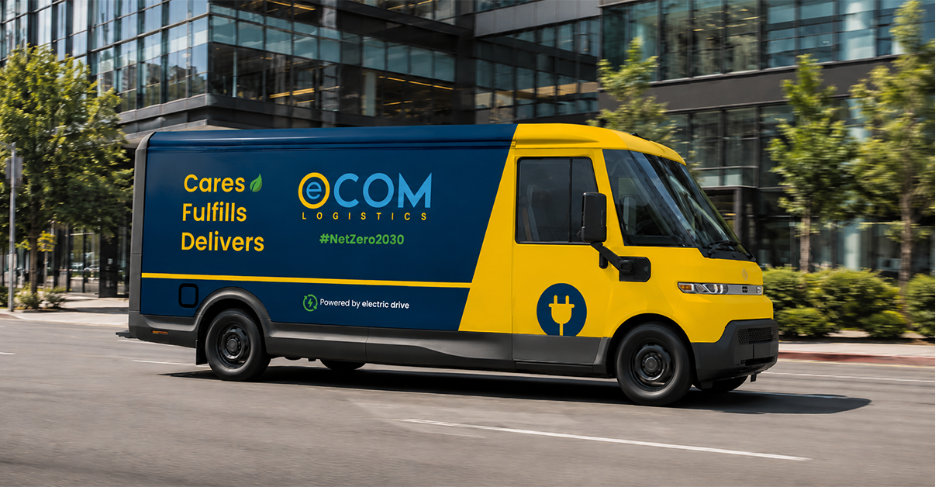
Canadian shoppers are making more conscious choices about where they spend their money, and delivery is increasingly part of that calculation. Sustainable delivery, whether through electric vehicles, carbon-neutral shipping options, or reduced packaging waste, is no longer a marketing concept that appeals only to a niche audience. It is a genuine purchase consideration for a growing segment of consumers, particularly those under 40. Brands that can demonstrate a real commitment to sustainable delivery are earning loyalty from customers who have choices and are choosing with intention.
The key word here is demonstrate. Vague green language does not move the needle. Customers who care about sustainability want specifics: a fleet of electric vehicles, measurable emissions reductions, packaging that is actually recyclable rather than just labelled that way. Logistics partners with genuine EV capabilities and transparent environmental reporting add tangible value to the brands they serve, well beyond moving parcels. This is an area where the right partnership can strengthen both your operations and your brand positioning simultaneously.
Personalization and Flexibility in Delivery
Control matters as much as speed
One of the most consistent findings in Canadian consumer research is that shoppers want control over their delivery experience, not just a faster version of the same rigid process. That means flexible delivery windows, the option to redirect parcels, the ability to choose pickup points, and clear options presented at checkout before payment. Canada Post has noted that customer delivery expectations in Canada is higher for flexible delivery, including weekend, same-day, and next-day options. A customer who selects a two-day delivery window and receives their package within it is more satisfied than one who was promised next-day and received it the day after. The expectation being managed is as important as the actual timeline.
Reducing failed deliveries through smarter operations
Failed delivery attempts are expensive for logistics providers and frustrating for customers. In a country as geographically spread as Canada, getting delivery right on the first attempt is a cost issue as well as a customer experience issue. Offering pre-delivery notifications, specific time windows, and easy rescheduling options reduces failure rates meaningfully. Customers who feel in control of their delivery are also more likely to be available for it, which creates a virtuous cycle that benefits everyone in the chain.
The Reality of Last-Mile Logistics in Canada
Geography and scale create genuine complexity
Canada’s geography is not a minor footnote in the delivery conversation. It is one of the defining challenges. Serving customers in Toronto and Vancouver is operationally very different from serving customers in smaller Ontario cities or remote areas of British Columbia.
Weather is a real factor, as are road conditions, access restrictions, and the physical distance between population centres. This is why a one-size-fits-all delivery approach rarely works in the Canadian market. The brands delivering consistently across regions are the ones that have invested in logistics partners with genuine local expertise and infrastructure, not just a national footprint on paper.
Urban density brings its own challenges
In major cities like Toronto and Montreal, the challenge is not distance. It is congestion, parking restrictions, and the density of multi-unit residential buildings. Reliable urban delivery requires route optimisation, trained drivers who understand building access and concierge protocols, and technology that maintains visibility in real time. These operational details are what separate consistent carriers from inconsistent ones at scale.
For a fuller picture of how this plays out in practice, the Ultimate Guide to Last-Mile Delivery in Canada covers the mechanics and the common failure points in detail.
How Ecommerce Brands Can Keep Up
Partner with logistics providers that know the Canadian market
This is the most consequential decision a scaling ecommerce brand can make. A logistics partner like Ecom Logistics that understands Canadian geography, has warehousing across key markets like Toronto, Montreal, and Vancouver, offers same-day and next-day delivery with an actual owned fleet, and provides the technology infrastructure to back it all up, removes the operational burden and replaces it with execution capability.
Invest in visibility and communication
Whatever logistics setup you run, the customer-facing experience is within your control. Tracking technology, automated delay notifications, and a clear communication policy for exceptions are high-leverage improvements that most ecommerce brands can implement without changing a single thing in the warehouse. Customers who feel informed are forgiving. Customers who feel ignored are not. This is arguably the fastest return on any logistics-related investment available to a brand right now.
Treat sustainability as a brand decision, not a logistics detail
If your brand has sustainability commitments, your delivery operations need to reflect them. That might mean choosing a logistics partner with an EV fleet, offering customers a carbon-neutral delivery option at checkout, or setting packaging standards that reduce waste across the chain. These choices are increasingly noticed and valued by Canadian shoppers. They also produce far more credible brand storytelling than vague environmental claims without operational substance behind them.
What’s Next in Canadian Delivery
The direction is clear. Same-day delivery will become even more standard in major Canadian cities. AI-powered route optimisation will continue to improve delivery accuracy and drive down costs. Scheduled delivery windows will get tighter and more predictable. Sustainability pressure on logistics will intensify as both consumers and regulators raise expectations.
Brands that treat their delivery experience as a strategic investment rather than an operational cost will be the ones building durable customer relationships through 2026 and beyond.
In Conclusion: Speed, Trust, and Sustainability Are the New Delivery Standard in Canada
Customer delivery expectations in Canada in 2026 is not complicated. They want speed, transparency, reliability, and increasingly, a delivery experience they can feel good about. Meeting these expectations does not require perfection on every single order. It requires the right infrastructure, the right partners, and a genuine commitment to keeping the customer informed and in control from the moment they click purchase to the moment their package arrives.
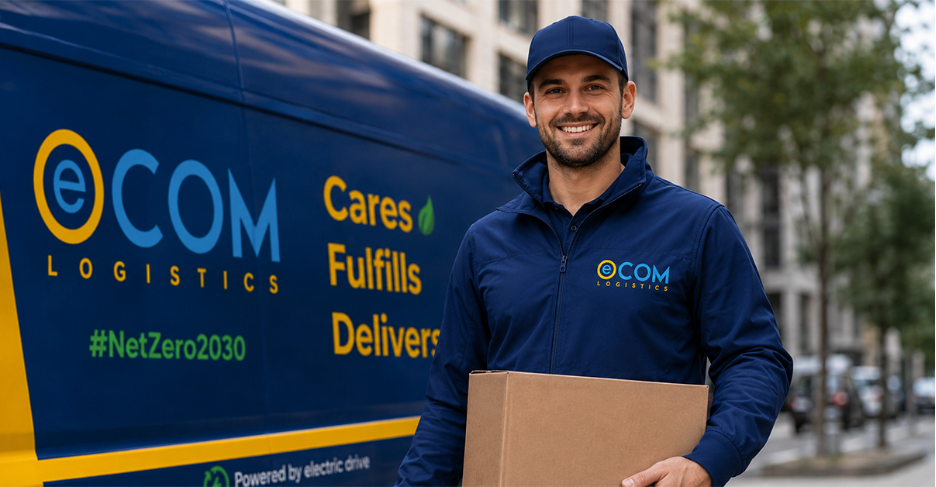
Ecom Logistics works with enterprise and ecommerce brands across Canada to deliver exactly that: same-day and next-day delivery across major markets, a growing fleet of electric vehicles for sustainable delivery options, reliable tracking, and the fulfillment capability to scale with your growth. So if you are ready to raise the bar on your customer delivery experience, get in touch with our team.
Frequently Asked Questions
Canadian shoppers in 2026 expect fast delivery (same-day or next-day in major cities), real-time tracking, proactive communication when delays occur, flexible delivery windows, and, for a growing segment, sustainable shipping options. Speed matters, but control and transparency matter just as much.
Significant and growing. Research suggests 72% of Canadian online shoppers now expect same-day delivery options, with demand concentrated in major urban centres like Toronto, Ottawa, and Montreal. Retailers offering same-day delivery in these markets are reporting measurable gains in both revenue and customer satisfaction.
Yes, particularly among consumers under 40. Canadian shoppers are increasingly choosing brands that offer eco-conscious delivery options such as electric vehicle delivery or carbon-neutral shipping. Brands that can demonstrate this with real data and operational transparency build stronger loyalty than those that only claim it in marketing copy.
A failed or frustrating delivery experience has a lasting effect on retention and lifetime value. Research shows the majority of consumers will not purchase again from a retailer after a poor delivery experience. For ecommerce brands, this means every last-mile failure carries a cost far greater than the individual order.
The most practical option is partnering with a third-party logistics provider (3PL) that already has the fleet, warehousing, and technology in place. This gives brands access to same-day and next-day delivery capabilities, real-time tracking, and fulfillment expertise without the capital investment of building it in-house.
Canada’s geography, climate, and urban density create distinct operational challenges. Serving major cities like Toronto and Montreal involves managing congestion, parking restrictions, and multi-unit residential buildings. Serving smaller cities and rural areas requires broader networks and reliable contingency planning. Effective last-mile delivery in Canada requires deep local expertise, not just national coverage in name.
Delivery cost remains significant in purchase decisions. Around 67% of Canadian shoppers are incentivized to buy with free shipping, and 82% will spend more to qualify for it. What matters most is transparency. Hidden fees at checkout drive cart abandonment faster than the cost itself.
Partner with a 3PL that has optimized their network for efficiency. When delivery costs drop through route optimization and scale, faster delivery becomes economically viable. The real win is aligning speed and profitability, not choosing between them.
- About the Author
- Latest Posts